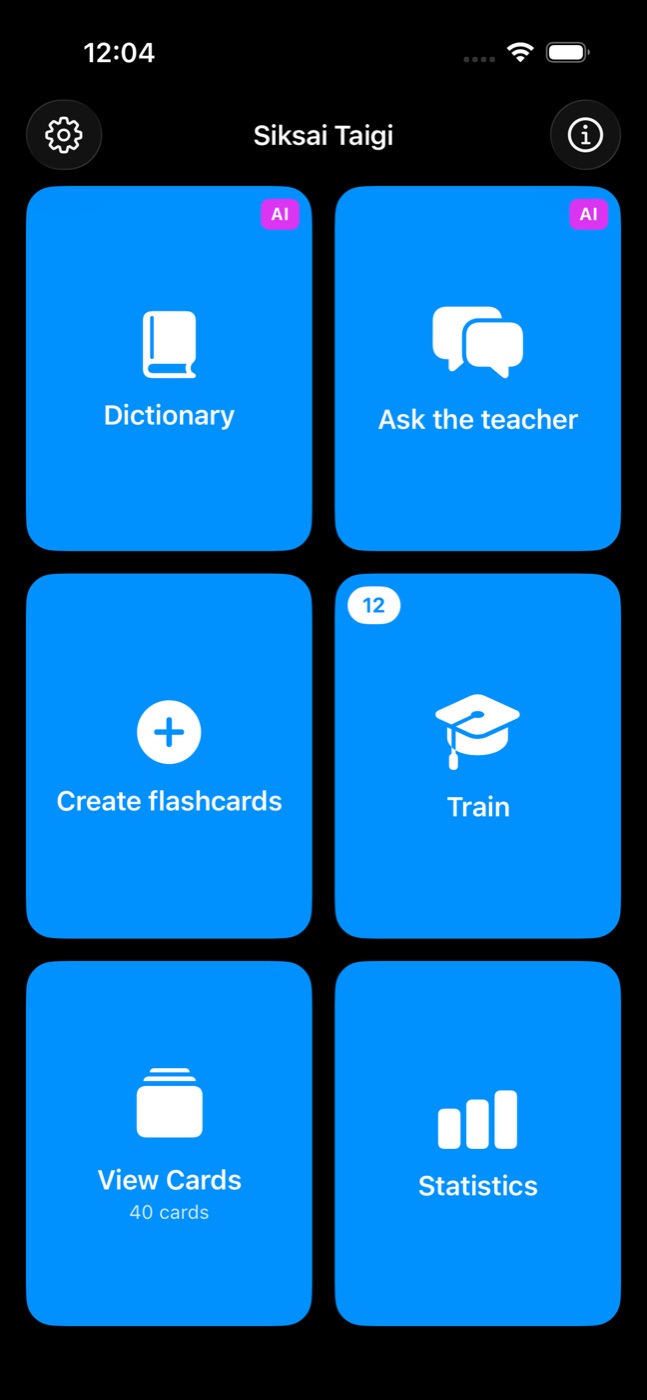
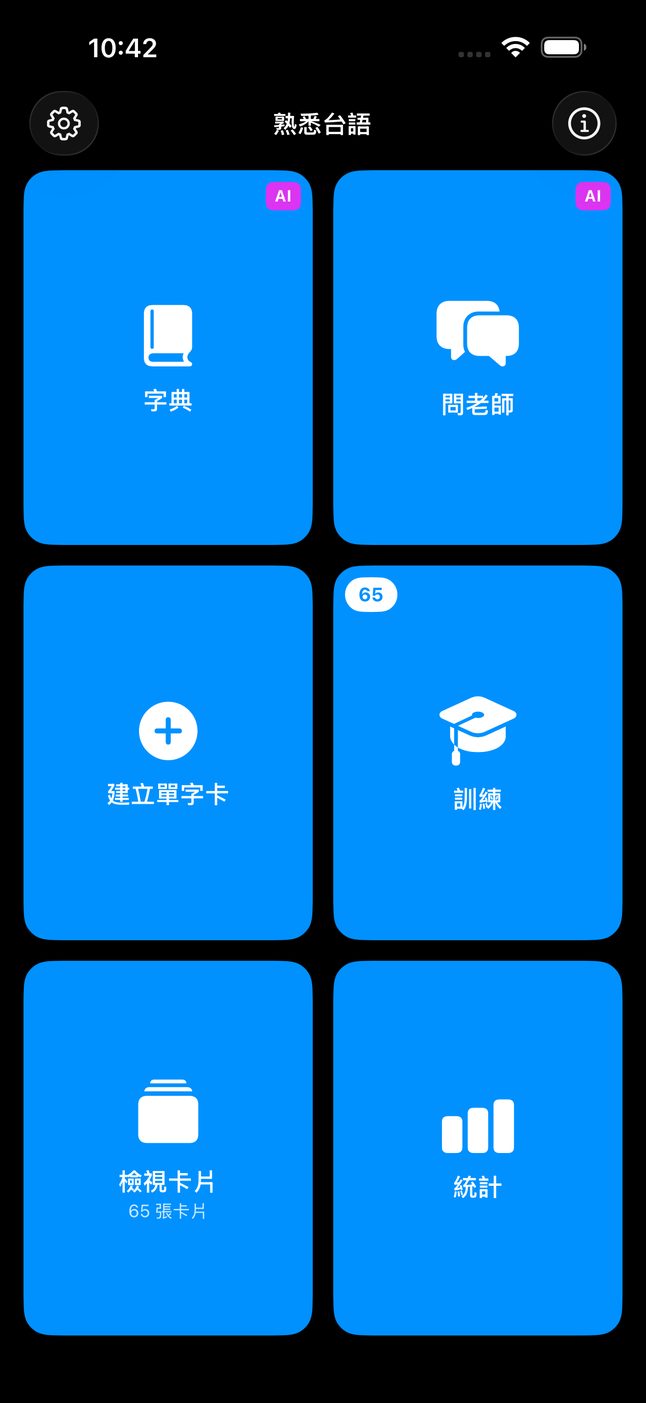
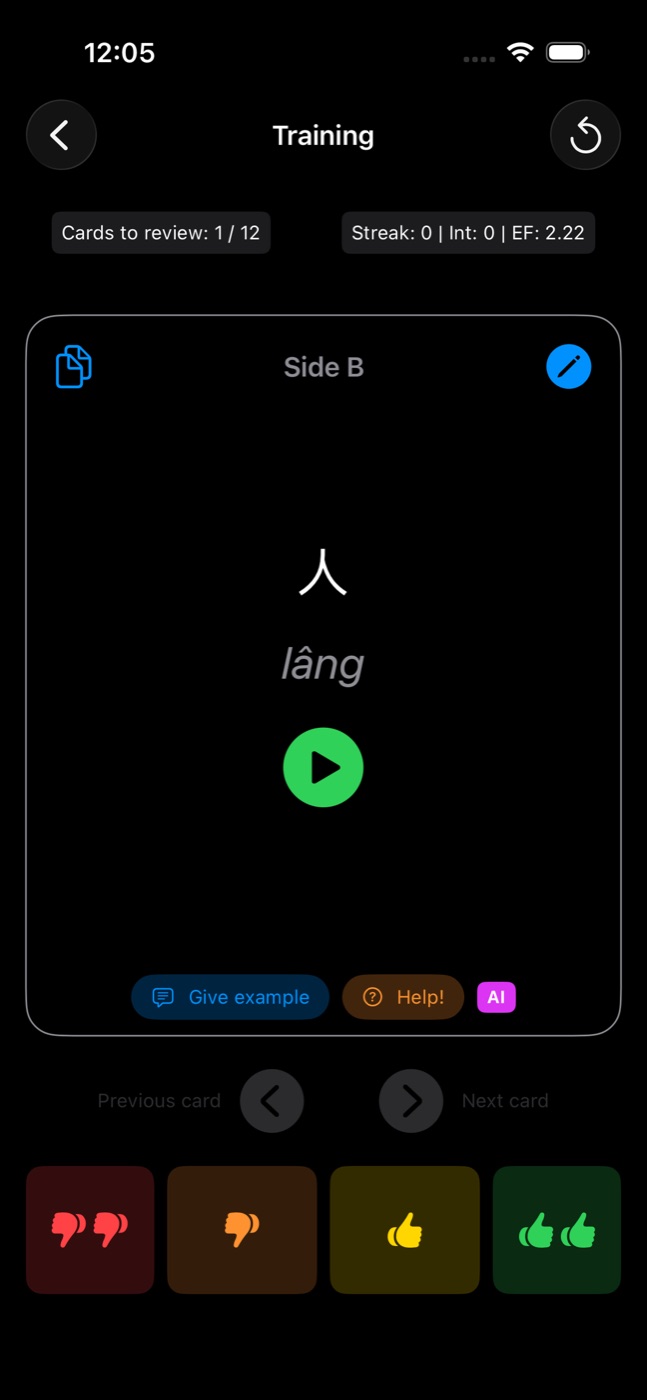
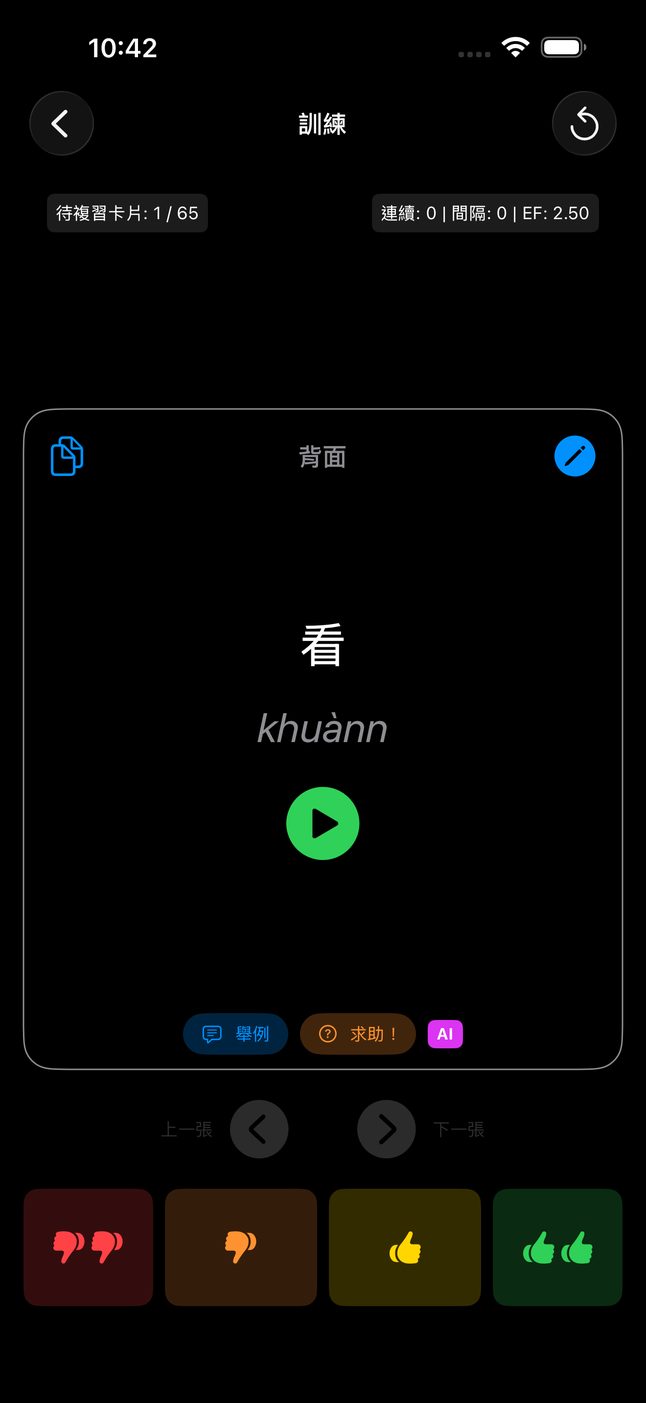
 Siksai Taigi
Chapter one · Why this exists第一章 · 為什麼要做這個 App
A foreigner, a teacher, and a pile of index cards一個外國人、一位老師,還有一堆單字卡
I've lived in Taiwan for many years. People here have been kinder to me than I can ever repay: neighbours, market vendors, strangers who walked me three streets to find a bus stop. For a long time I wondered what someone like me could give back to this island.
The answer came from a sad pattern I kept seeing. Many Taiwanese friends my age, and plenty of kids, can no longer really speak the language of their 阿公 and 阿嬤. They understand a bit and can answer "hó", but a whole conversation in Taiwanese is out of reach. For them it's the language of family dinners and the old neighbourhood, and it's slowly slipping away.
So I started learning it myself. I booked a Taiwanese teacher and had class every week. Very quickly I found the real bottleneck: the teacher explained grammar and pronunciation well, but I didn't know enough words. You can't follow the auntie at the vegetable stall if half the nouns are unknown to you. What decides whether you understand is vocabulary, much more than grammar.
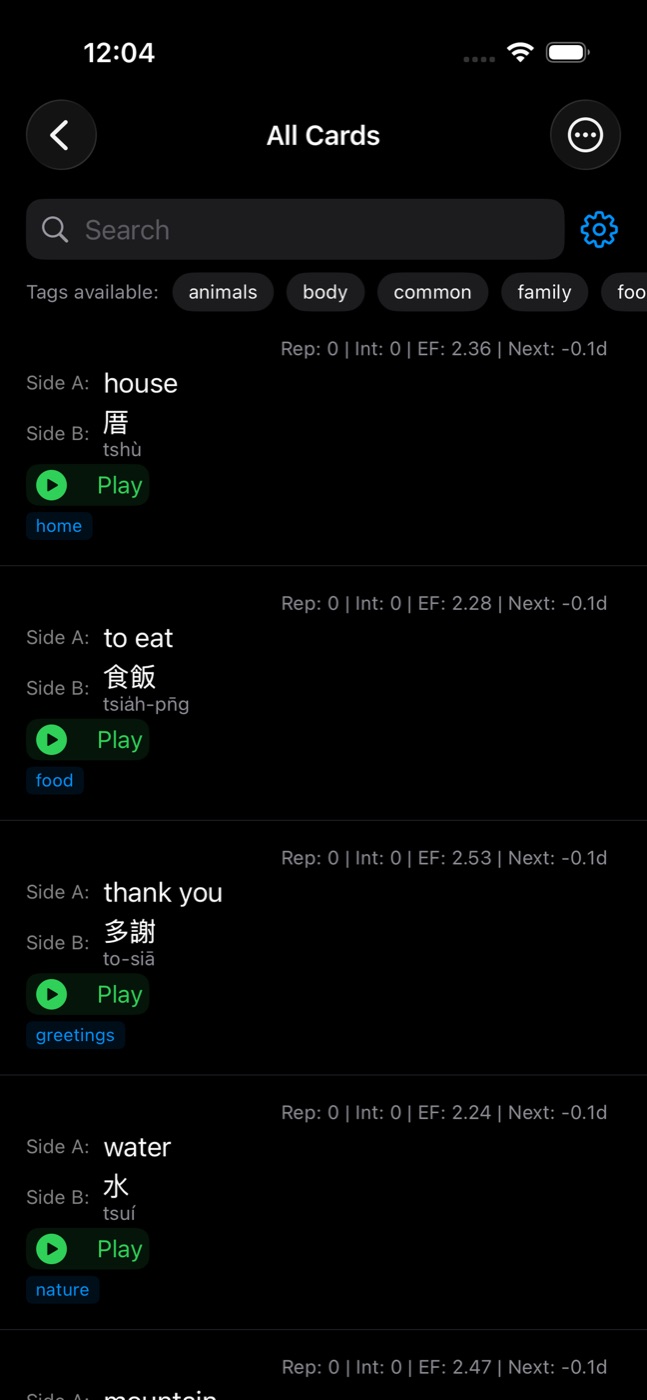
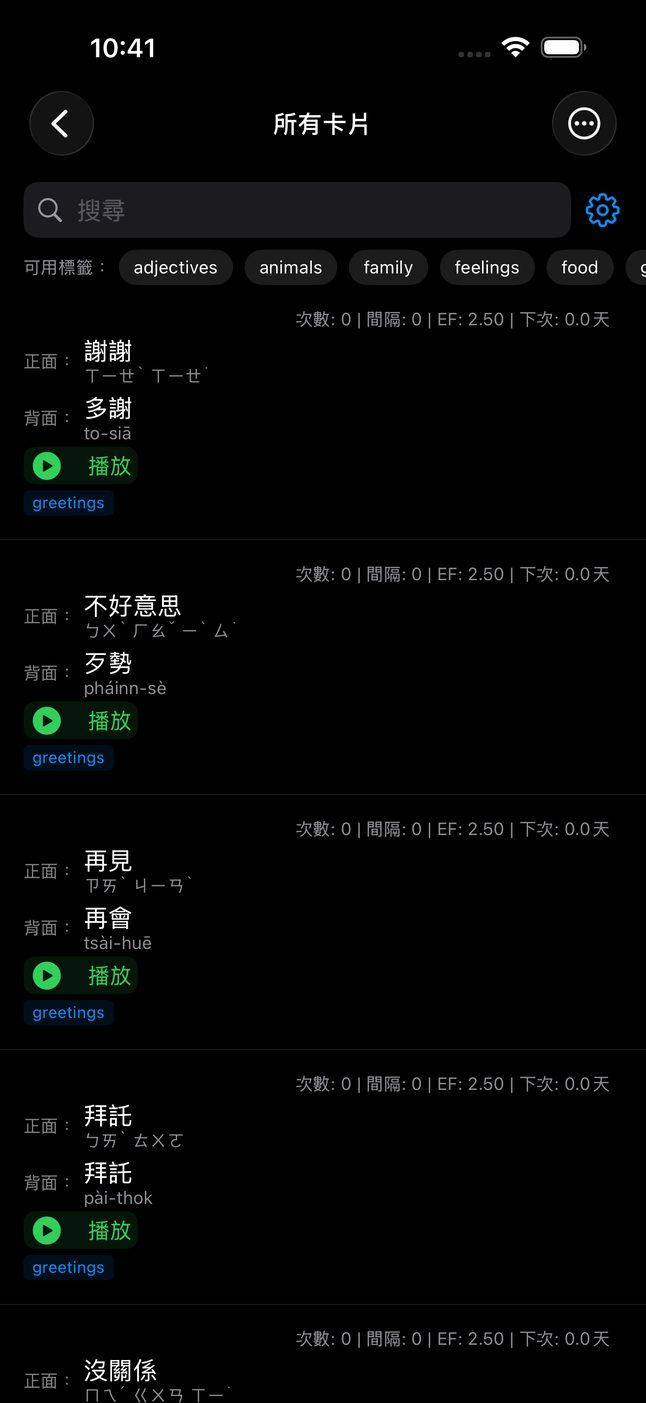
For Mandarin, Japanese or Korean the fix is easy: download a flashcard app, grab a shared deck, done. For Taiwanese I couldn't find anything that did the job properly. The big language apps don't teach it. General flashcard apps don't know what Tâi-lô is, and they can't pronounce tsia̍h-pn̄g. Text-to-speech voices mostly read the Hanzi in Mandarin, which is worse than nothing. As far as I could find, no spaced-repetition app was built for Taiwanese, with real Taiwanese audio.
I'm a software engineer, so I did the obvious thing and wrote one.
"Learning a language gets stuck on vocabulary. Once your word count takes off, you catch the key words the moment the auntie at the market speaks." 學語言最大的瓶頸通常是「單字量不夠」。
The routine that worked
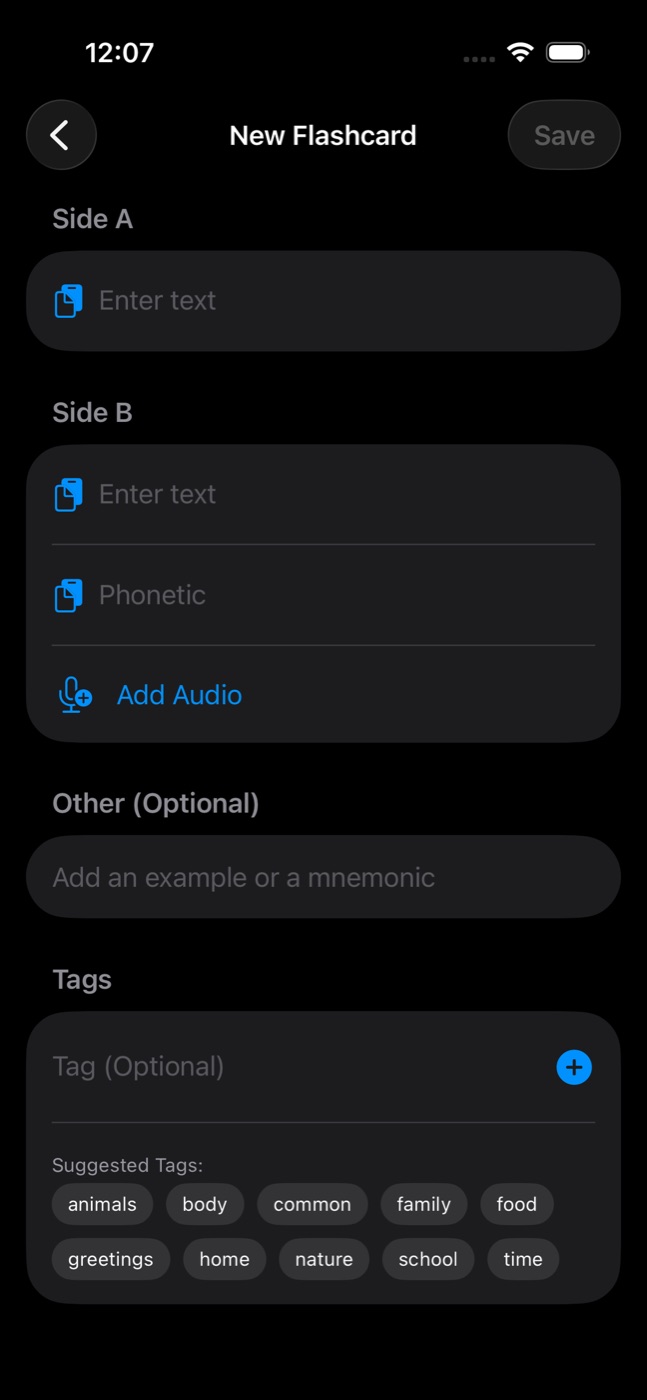
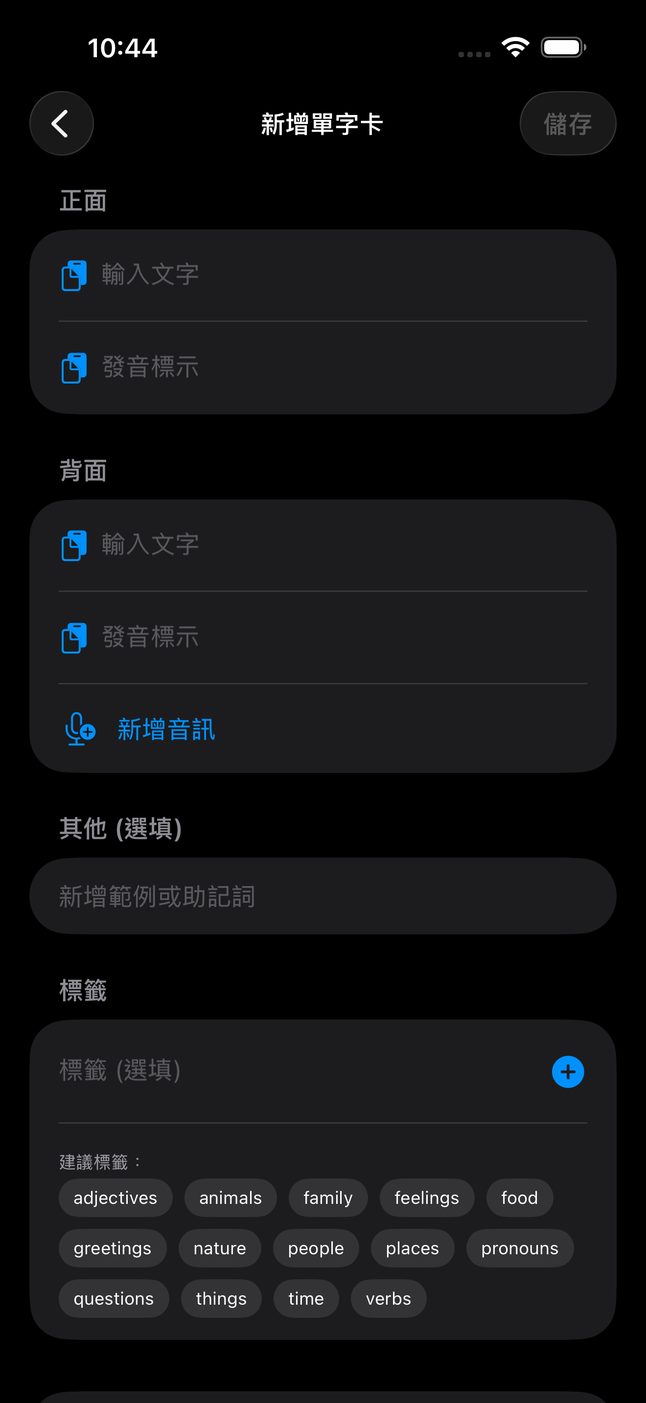
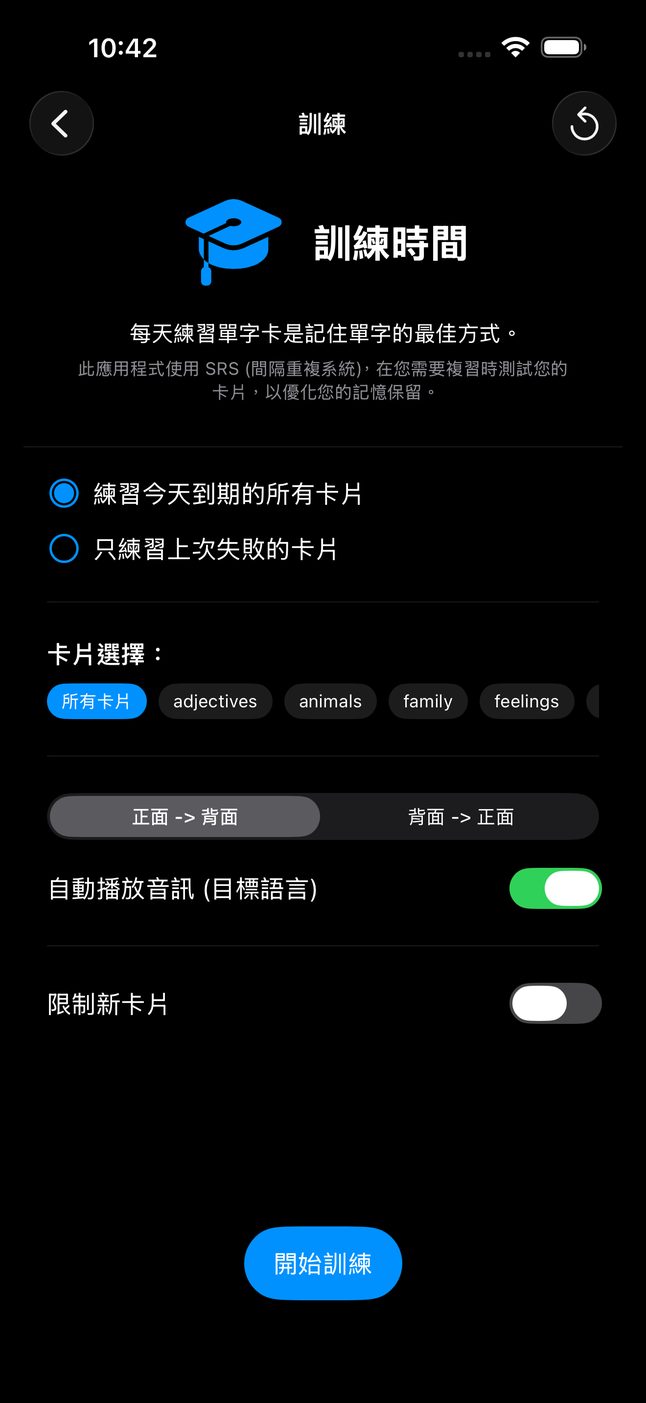
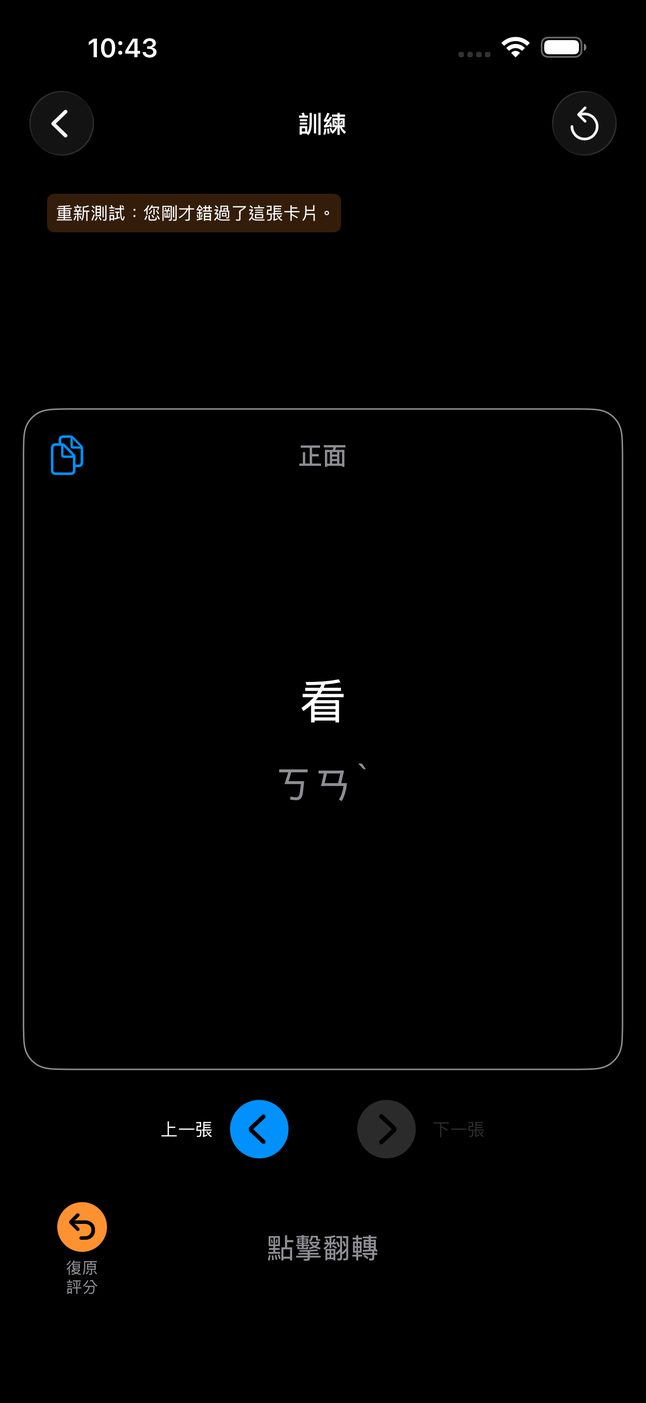
My method was simple, and I still follow it. Once a week I have a class with my Taiwanese teacher. After class, every new word I met goes into the app as a card. Then every day, often on the MRT or while waiting for noodles, I spend a few minutes on whatever the app says is due. That's it. The app decides what to show me and when, and I trust it.
In about six months I went from understanding almost nothing to following most of an everyday conversation, roughly seventy to eighty percent. I can joke with the grandpas and grandmas at the roadside stalls now. Over ten months I've gone past a thousand everyday Taiwanese words. The classes gave me structure and the flashcards gave me the vocabulary. You need both.
Why I'm giving it away
Siksai Taigi is free, and it will stay free. There's no subscription, no ads, no account, no tracking. It's my small way of saying thank you to Taiwan, and of encouraging young Taiwanese to take back the language of their family. (The optional AI features work with your own AI key. More on that in chapter seven.)
It's also for people much further away. On my YouTube channel I get many comments from overseas Taiwanese in the United States, the UK and Japan. People who've lived abroad for decades tell me the thing they miss most is a sentence their grandmother used to say, and that their own children don't understand a word of it anymore. A language is a root. It connects you to your family and to a piece of land. Whether you're in London or New York, ten thousand kilometres from Tainan, you should be able to open your phone and start getting it back.
我在台灣住了很多年。這裡的人對我非常好:鄰居、菜市場的阿姨,還有願意陪我走三條街去找公車站的陌生人。我一直在想,像我這樣的人,可以怎麼回報這座島。
後來我發現一件讓我很難過的事。很多跟我同年紀的台灣朋友,還有很多小朋友,已經不太會講阿公阿嬤的話了。他們聽得懂一點,也會回一句「hó」,可是要用台語聊天就很難。對他們來說,台語是家裡吃飯時、老家巷子裡的語言,而它正在慢慢消失。
所以我自己開始學台語。我找了一位台語老師,每個禮拜上一次課。很快我就發現最大的問題:老師把文法和發音教得很好,可是我會的單字太少了。如果菜市場阿姨講的話,有一半的詞你都不認識,你就跟不上。能不能聽懂,關鍵是單字量,不是文法。
學華語、日文或韓文的時候很簡單:下載一個單字卡 App,找一副別人做好的卡片,就可以開始了。但是學台語,我找不到真正好用的工具。大型語言學習 App 沒有教台語。一般的單字卡 App 不認識臺羅,也不會唸 tsia̍h-pn̄g。很多電腦語音會用華語去唸漢字,這比沒有聲音還糟。就我找到的來說,網路上還沒有一個專門為台語設計、又有真正台語錄音的間隔重複(SRS)App。
我是軟體工程師,所以我就自己做了一個。
「學語言最大的瓶頸通常是『單字量不夠』。如果單字量衝上來,你在菜市場聽阿姨講話,就能立刻抓到關鍵字。」
對我有效的學習方法
我的方法很簡單,到現在還是這樣做。每個禮拜跟台語老師上一次課。下課後,把新學到的單字都做成卡片放進 App。然後每天花幾分鐘,常常是在捷運上或等麵的時候,複習 App 說「今天該複習」的卡片。就這樣。什麼時候該複習哪一張卡,由 App 決定,我只要相信它就好。
大約六個月,我從幾乎聽不懂,到可以聽懂七八成的日常對話。現在我可以在路邊跟阿公阿嬤聊天、開玩笑。十個月下來,我已經學了超過一千個常用的台語詞。上課給我方向,單字卡給我單字量,兩個都需要。
免費的原因
Siksai Taigi 是免費的,以後也會一直免費。沒有訂閱、沒有廣告、不用帳號,也不會追蹤你。這是我對台灣說一聲「多謝」的小小方式,也希望鼓勵年輕人,把家裡的語言學回來。(選用的 AI 功能要用你自己的 AI 金鑰,第七章會再說明。)
它也是給住在很遠的人。我的 YouTube 頻道常常收到住在美國、英國、日本的海外台灣人留言。有人在國外住了幾十年,說最想念的是小時候阿嬤常講的那一句台語,可是自己的小孩已經一句都聽不懂了。語言是根,把你和家人、和土地連在一起。就算你人在離台南一萬公里遠的倫敦或紐約,打開手機,也可以開始把它學回來。